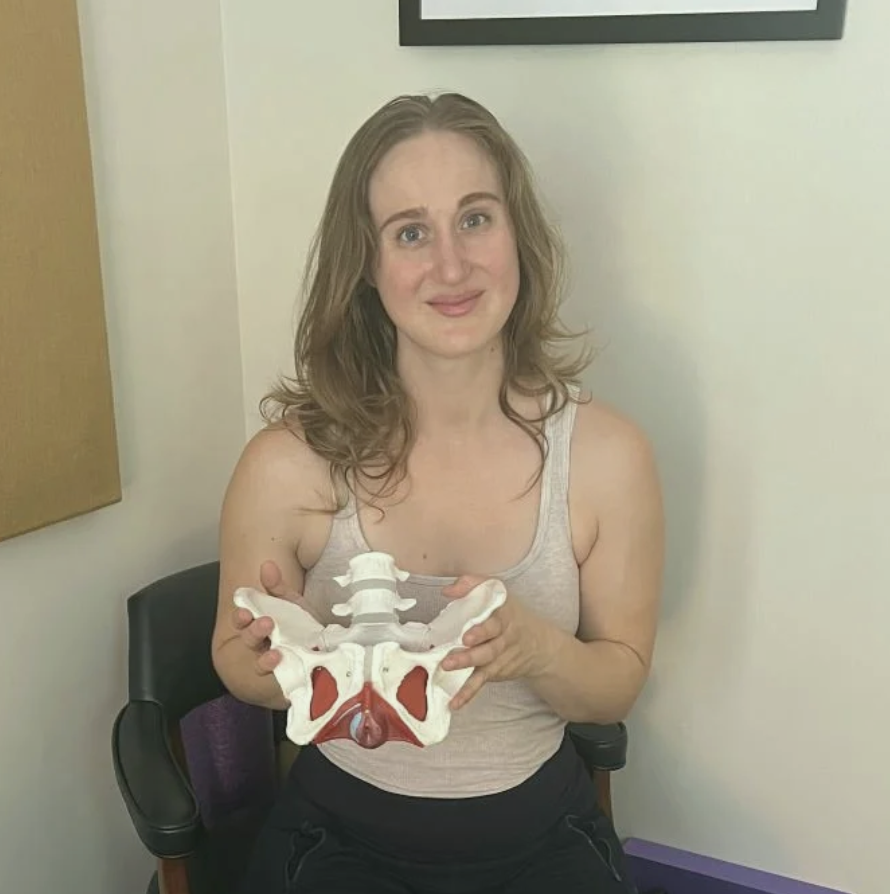
Pelvic therapy, or pelvic floor physical therapy, is a specialized branch of physical therapy. You may have heard of pelvic PT from a friend or your doctor. Or, you might be like many of the patients I work with who are researching their symptoms and trying to find solutions.
In this blog, I'll walk through what pelvic therapy is and some symptoms that pelvic PT can treat.
What pelvic therapy is
Pelvic floor physical therapy is a specialized form of rehab/physical therapy that focuses on the muscles, ligaments, and connective tissues supporting your bladder, uterus (in women) or prostate (in men), and rectum.
The muscles and other structures within the pelvic region play into various bodily functions, including bowel and bladder control and sexual function.
When it comes to pelvic floor PT, it's important to know that there may be many different pieces to a pelvic floor diagnosis or pelvic floor symptoms.
Low back pain, foot injuries, glute injuries or muscle strains, trauma, connective tissue disorders, heavy lifting, running... while you may not immediately think "pelvic health" or think about the pelvic region when mentioning these different injuries, the pelvic region is heavily involved in all of them and pelvic floor issues can be either a contributing factor or the root cause!
A pelvic therapist works to assess and treat the pelvic muscles as well as muscles that affect the pelvic region, since nothing ever works by itself.
Common Signs of Pelvic Floor Dysfunction
If you are experiencing symptoms within the pelvic region, such as:
leaking
constipation
heaviness
fullness
pubic symphysis pain
burning
tingling
...and more, then you will likely benefit from pelvic floor PT.
I also want to make sure that I mention you don't have to have had a baby to see a Pelvic Floor PT. It's a common question I get, so I want you to know that even if you haven't been pregnant, you can be affected by pelvic symptoms and could have some involvement of the pelvic region as it relates to something orthopedic/joint related you're going through.
I see athletes, first-time moms, moms who are many years postpartum, active women, and women who are looking to stay active and not be beholden to pelvic pain, heaviness, leaking, and pressure while they live their lives.
Bladder symptoms to watch for
Bladder symptoms are some of the most common things that I treat inside my clinic. If you are experiencing:
Leaking with activity or without activity
Feeling like you need to run to the bathroom the minute you touch the door handle when you get home
Going to the bathroom "just in case" before you leave the house or go on a long trip
Planning your outings according to where bathrooms are or could be
Any sort of bladder pain
...then pelvic floor therapy can help.
Many patients will report that they saw a gynecologist or urologist prior to coming to pelvic floor PT, simply because they did not know pelvic floor therapists exist.
If you are experiencing any of these symptoms, I would argue that starting with a pelvic floor therapist can save you a lot of time.
Bowel symptoms that point to the pelvic floor
Some of the bowel symptoms that can mean pelvic floor dysfunction is at the root of the issue can be:
Constipation
Pain with defecation
Feeling like you need to strain when you go to the bathroom
Irregularities around bathroom habits
The pelvic floor muscles directly affect your ability to relax and pass stool, and when you're unable to do that, symptoms of constipation mentioned above will show up.
If the pelvic floor muscles are already tight or not coordinating well, they can actually make it harder to have a bowel movement in the first place. Relaxing the pelvic floor is a necessary part of having a complete, comfortable bowel movement, and if those muscles aren't releasing the way they should, constipation can follow.
It can also work the other way: When you're constipated, your body works harder to do something that should be relatively effortless.
That straining puts a significant amount of downward pressure on the pelvic floor muscles, and over time, that repeated stress adds up.
Chronic straining can cause the pelvic floor muscles to become overactive or develop trigger points, which are essentially pain points in the muscle tissue. Those points can refer pain to other areas of the pelvis, which is why constipation and pelvic pain so often show up together, and why constipation and the decreased ability to empty your bowels can increase your risk of, and lead to, pelvic pain. Read more about constipation and pelvic pain here.
Pain with sex or pelvic pain
If you are experiencing any sort of pain in the pelvic region at rest, during intercourse, or with any activity, then I would say pelvic therapy can help you. I feel like that's a very broad statement, but it is the truth.
Admittedly, in my clinic, I take a very limited number of pelvic pain cases, so if you are looking to work with me, I suggest reaching out to see if I have availability.
Pelvic pain is most easily treated when it is addressed early on, but if you've been dealing with this for quite some time, don't worry. There are still solutions. Even if I don't have availability, I will provide you with a referral to someone I trust.
Pregnancy and postpartum changes
This is one of the most common populations I see in my clinic, along with folks who have bladder changes and leaking.
As your body adapts to support a growing baby, more pressure lands on the muscles, joints, and connective tissue of the pelvic region. Pregnancy asks a lot of your body, and if you’re uncomfortable at any point along the way, you don’t have to just push through it.
Pelvic floor physical therapy can help you feel better and reduce or resolve the symptoms you’re dealing with during pregnancy, including pelvic pain, low back pain, hip pain, and more.
I also help my patients get ready for birth. Birth prep sessions include specific positioning strategies, mobility work, and stretching and relaxation techniques, all tailored to you. The goal is to help lower your risk of birth-related injury and support a more comfortable birth.
When it comes to postpartum recovery, I can help you get back to activities that you enjoy and recover from any birth-related or pregnancy-related changes, such as diastasis or abdominal separation, C-section scarring and healing, and general aches and pains or symptoms like leaking and pressure.
Symptoms are common but not normal
At the end of the day, it's important to understand that the symptoms listed above are common but not normal, and people often tell folks that they just have to deal with them. If you're experiencing any of these symptoms, pelvic PT is a great solution to try.
It's also important to know that for many patients, they have tried to find a solution to general aches and pains and symptoms that they've been feeling with other modalities (such as orthopedic physical therapy, acupuncture, massage, etc.). Sometimes the pelvic floor is the missing piece in the system that needs to be treated.
Even if you feel like you might not directly have pelvic floor symptoms, if you've tried everything else to get better and it just isn't working (or you're just not back to 95-100%), I would suggest reaching out to try and see if you're a fit
How to get started with pelvic floor therapy in Durham, NC
If you are local to the Durham, NC area, I'd love to work with you. My pelvic therapy clinic specializes in pelvic health and pelvic health treatment. It’s not just a part of what I do, but what I specifically do.
Pelvic floor PT can be intimidating and pelvic floor conditions can feel embarrassing, hard, lonely, and frustrating. I'd love to help you overcome the pelvic concerns you have and get you back to feeling 100%.
If you’re ready to get started, request an appointment below. I’d love to help you.