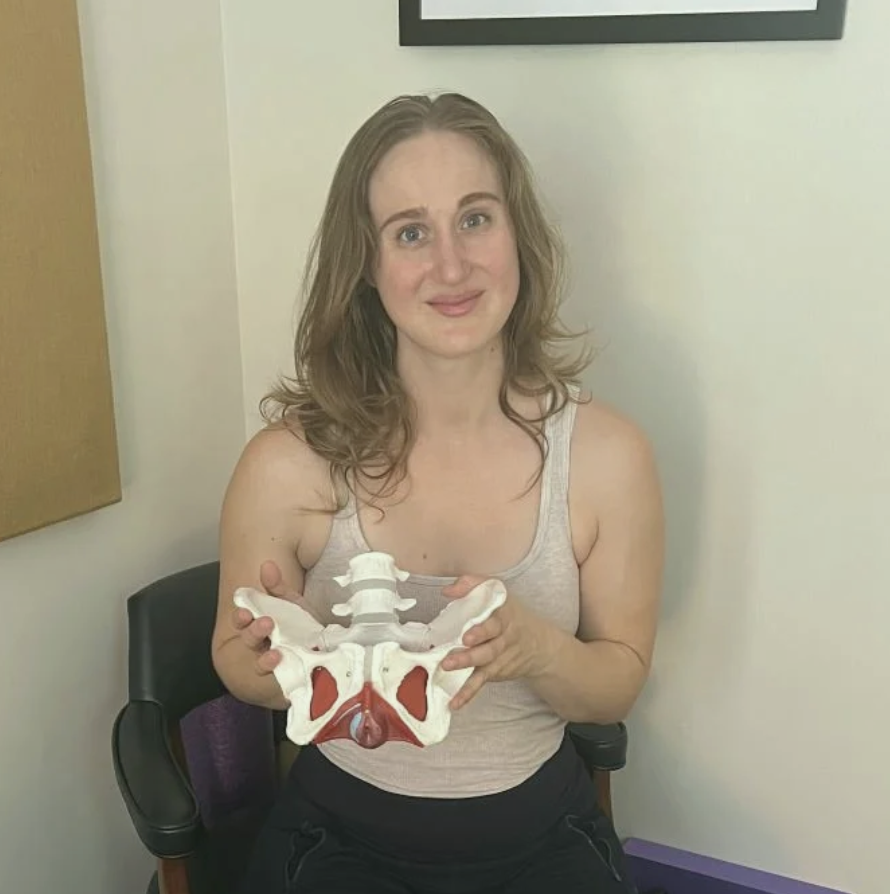
What is the best treatment for vulvodynia?
Pelvic floor physical therapy is considered the most effective first-line conservative treatment for vulvodynia. It works by addressing hypertonic (overactive) pelvic floor muscles, nerve sensitization, and connective tissue restrictions through manual therapy, pelvic floor downtraining, and nervous system regulation. Pelvic therapy is shown to be a great way to decrease pain in the vulvar region in various research studies (Nascimento, et. al 2024; Jahshan-Doukhy & Bornstein, 2021) to improve overall quality of life and sexual function.
If you've been dealing with chronic vulvar pain, you may have already spent a lot of time searching for answers and feeling like you're not finding any. Vulvodynia is one of those conditions that often goes undiagnosed or dismissed for far too long, which makes finding effective treatment feel even more frustrating.
I know that symptoms of vulvodynia can impact sexual relationships (and limit sexual intercourse at all), as well as impact your mental health significantly.
The good news: there are evidence-based treatments that help. And pelvic health physical therapy is one of the most effective places to start.
I treat vulvodynia at my pelvic therapy practice and love to help folks decrease pain and manage their symptoms. Let's talk more about vulvodynia, what to expect, and how pelvic therapy can help.
What is vulvodynia?
Vulvodynia is chronic vulvar pain lasting three months or more with no clear identifiable cause, meaning no infection, no skin condition, no underlying disease that fully explains it.
The pain can be constant or only triggered by touch or pressure (like inserting a tampon, sitting for long periods, or sex). It might feel like burning, stinging, rawness, or aching.
Note: If you've been experiencing vulvar pain, it's worth ruling out infections, skin conditions, and other identifiable causes with your gynecologist first. Vulvodynia is diagnosed after those have been excluded.
What causes vulvodynia?
Vulvodynia is rarely caused by one single thing, and understanding the contributing factors is a big part of understanding why treatment needs to be individualized.
Some causes of vulvodynia:
Pelvic floor muscle dysfunction: The pelvic floor is a group of muscles that sit at the base of the pelvis and support the bladder, bowel, and uterus. In most people with vulvodynia, these muscles are hypertonic, meaning they are in a state of excess resting tension and are often described and felt as "tight".
Hypertonic pelvic floor muscles can compress nerves, restrict blood flow, and create a pain cycle that becomes self-reinforcing over time. This is one of the most consistent findings in people with vulvodynia and one of the most directly treatable. If our muscles are constantly wound up in a tight ball and unable to relax, we know that would cause some discomfort, similar to the feeling of if you were to clench your jaw for a long period of time. That's not comfortable!
Nerve sensitization: The pudendal nerve and its branches supply sensation to the vulvar region. In vulvodynia, these nerves can become sensitized, meaning that they fire pain signals more easily and with less provocation than they should.
This can happen peripherally (at the level of the nerve itself) or centrally (at the level of the spinal cord and brain). Central sensitization is particularly common in people with longstanding vulvodynia and explains why the pain can feel disproportionate to any visible tissue changes.
Always remember: pain does not mean "damage" or that something is inherently "wrong". Pain is just your body telling you that something needs to change. And sometimes, our body disproportionately says "ouch" when there is central sensitization at play. Nothing is inherently "wrong" even though there is pain. The good news: this is very treatable.
Hormonal factors: Estrogen plays a significant role in maintaining the health of vulvar and vaginal tissue. Low estrogen states, whether from hormonal contraceptives, perimenopause, postmenopause, or postpartum changes, can lead to thinning and increased sensitivity of the vestibular tissue. This is sometimes referred to as vulvovaginal atrophy or genitourinary syndrome of menopause (GSM), and it can overlap with or contribute to vulvodynia symptoms.
Trauma and the nervous system: Both physical trauma (such as childbirth injury, surgical procedures, falls, etc.) and emotional or psychological trauma can contribute to vulvodynia.
The nervous system does not neatly separate physical and emotional experiences, and research consistently shows higher rates of trauma history, anxiety, and depression among people with chronic vulvodynia.
This is not to say the pain is "in your head." It means the nervous system is a whole system, and treating it as such leads to better outcomes.
Connective tissue and postural factors: The pelvic floor does not exist in isolation. The hip muscles, deep abdominal muscles, sacroiliac joints, and lumbar spine all connect to and influence pelvic floor function. Tightness or dysfunction in any of these areas can contribute to pelvic floor tension, which then, as we talked about above, can cause vulvar pain.
The role of pelvic floor physical therapy in vulvodynia
For most people with vulvodynia, pelvic floor physical therapy is the recommended first-line conservative treatment.
Research supports its use, and clinically, I see pelvic therapy consistently making a difference for my patients.
Here is what treatment actually involves:
Internal and external manual therapy: Because hypertonic pelvic floor muscles are so central to vulvodynia, hands-on work to reduce that tension is part of the treatment.
Internally, this involves gentle assessment and treatment of the pelvic floor muscles through the vagina, targeting areas of tenderness, trigger points, and restricted tissue mobility.
Externally, I work on the surrounding musculature including the hip rotators, adductors, glutes, and deep abdominals, all of which can refer tension into the pelvic floor.
Techniques may include massage, neural mobilization, stretching, and strengthening to address muscle tightness and weakness as well as nerve sensitivity along the pudendal and other relevant nerve pathways.
Pelvic floor downtraining: Most people associate pelvic floor therapy with Kegel exercises. For vulvodynia, the opposite is usually true.
The goal is downtraining, which means teaching the pelvic floor to relax, lengthen, and release. This involves breathing techniques, positional strategies, and specific exercises to reduce resting tone.
Learning to consciously release the pelvic floor and let it fully relax is a skill, and for many patients it is one of the most impactful things they work on in therapy.
Desensitization and graded exposure: For patients with significant touch sensitivity or pain with penetration, gradual desensitization is often part of the treatment plan.
This can involve dilator therapy, which uses a progressive series of smooth medical-grade dilators to gently retrain the nervous system's response to touch and pressure at the vestibule and vaginal canal.
The goal is not stretching tissue but retraining the nervous system to interpret that input as non-threatening. Because threat=pain.
Nervous system regulation: Pain science education is woven throughout treatment, always. Understanding how the nervous system works, why the nervous system amplifies pain signals, and how stress, sleep, and emotions feed into the pain cycle is a large part of my practice.
Patients who understand their pain tend to recover better. Alongside education, I incorporate breathing and nervous system regulation techniques to help shift the body out of a chronic threat state, which directly influences pain levels. Want to learn more about pain and our brain's response to pain? Check out this video from the NOI group.
Scar tissue and connective tissue work: For patients with a history of episiotomy, perineal tearing during childbirth, or other surgical procedures, scar tissue can contribute to both localized sensitivity and downstream pelvic floor tension.
Scar mobilization and connective tissue techniques can significantly reduce restriction and pain in these cases.
Addressing contributing movement patterns and posture: If hip tightness, poor load management through the pelvis and surrounding areas, or specific movement habits are contributing to pelvic floor tension, we address those too.
Sessions often look more like active physical therapy than passive table work, because getting the whole system moving well is part of getting the pelvic floor to stop guarding and sensing "threat".
Other treatments that can help
Vulvodynia often responds best to a multi-pronged approach. My goal is always to start with conservative care and refer out thoughtfully when needed. If by chance you need a referral or recommendation to another care provider, I am happy to connect you.
Some of the other approaches include: medications and topical treatments, mental health therapy, dietary changes, and, in rare cases, medical procedures or surgery.
How to get started with conservative management of vulvudyna with pelvic floor therapy in Durham, NC
Vulvodynia can feel incredibly isolating, especially when it has been dismissed or misunderstood. But it is treatable. Many patients go on to significantly reduce or fully resolve their symptoms with the right approach and the right support.
If you are local to the Durham, NC area, I'd love to work with you inside my pelvic health physical therapy clinic. My clinic specializes in pelvic health and pelvic health treatment. Not just a part of what I do, but what I specifically do.
Pelvic floor PT can be intimidating, and pelvic floor conditions can feel embarrassing, hard, lonely, and frustrating. I'd love to help you overcome the pelvic concerns you have and get you back to feeling 100%.
And you are dealing with vulvar pain, I would love to help you find answers.
If you’re ready to get started, please request an appointment. I'd love to help you.
Next on your reading list:
Referenced Research Articles:
Jahshan-Doukhy, O., & Bornstein, J. (2021). Long-Term Efficacy of Physical Therapy for Localized Provoked Vulvodynia. International Journal of Women’s Health, 13, 161–168. https://doi.org/10.2147/IJWH.S297389
Nascimento, Renata Polliana MS1; Falsetta, Megan L. PhD2; Maurer, Tracey PhD3; Sarmento, Ayane Cristine Alves PhD4,5; Gonçalves, Ana Katherine PhD4,6. Efficacy of Physiotherapy for Treating Vulvodynia: A Systematic Review. Journal of Lower Genital Tract Disease 28(1):p 54-63, January 2024. | DOI: 10.1097/LGT.0000000000000787